Event Planning & Catering

A planning guide for catered events, from the first headcount to the last tray

Matching the Catering to the Occasion

Corporate functions, weddings and community gatherings each ask something different of a caterer. Here is what to plan for at each.
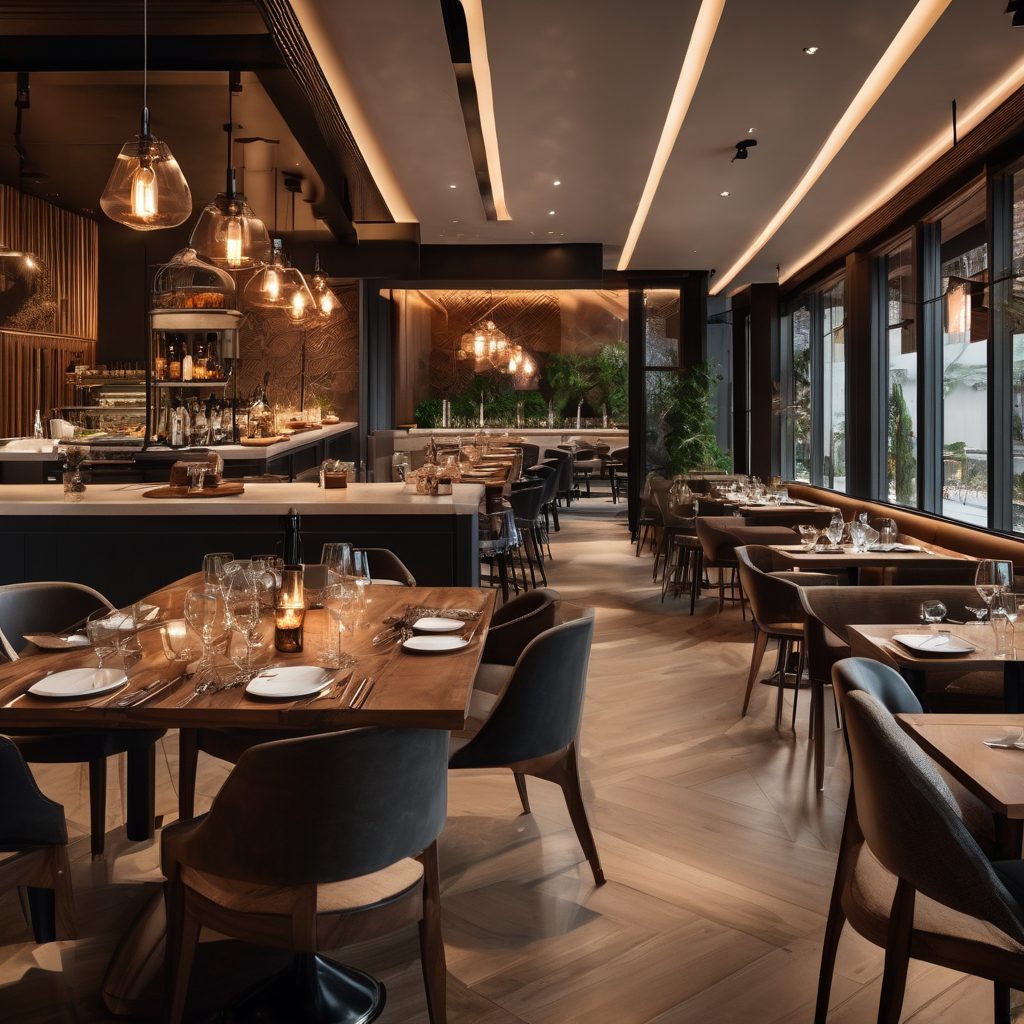
A restaurant dining room set with long tables for a group meal

Corporate Events

Company lunches run on a schedule. Pick food that holds well on a buffet, such as smoked meats and sheet-pan sides, and confirm the drop-off time so the meal lands before the meeting breaks.

Friends sharing drinks and food at a busy restaurant table

Private Celebrations

Birthdays, showers and family parties suit a relaxed menu that guests serve themselves. Ask whether the caterer offers pickup, since collecting the food yourself often costs less than delivery.
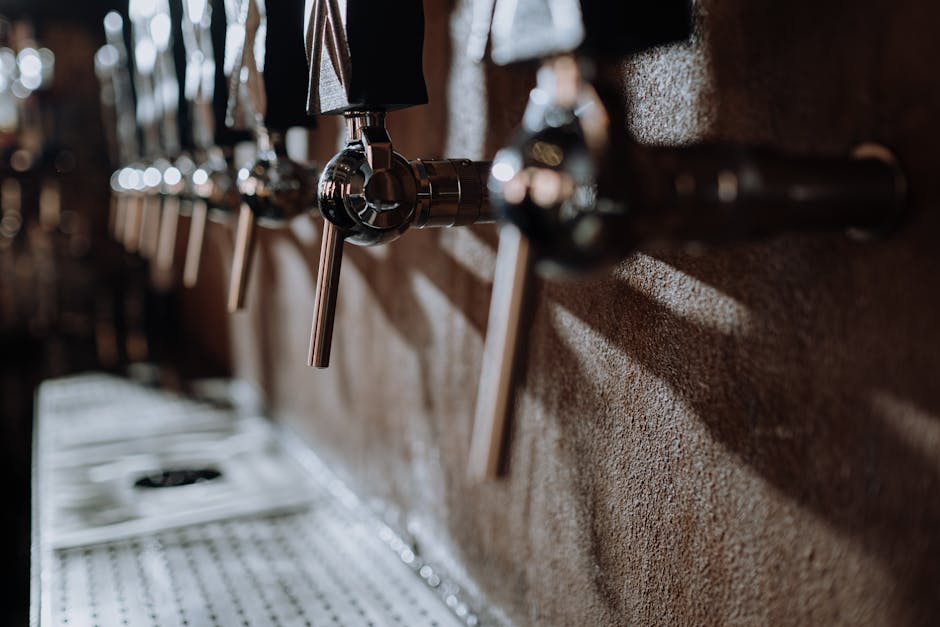
A row of beer taps behind a bar

Community Gatherings

Festivals and fundraisers need food that serves fast in a line. Pizza and pulled pork sandwiches move quickly. Check with your town whether food service at a public event needs a permit.

Friends enjoying pizza and craft beverages

Customized Experiences

Every guest list has its own needs. Collect dietary restrictions and allergies before you order, give them to the caterer in writing, and ask how they handle them.

Event Planning Process

Most catered events follow the same five steps, whoever you hire.

Initial Consultation

Start with your guest count, date, budget and any dietary requirements. A caterer can only quote accurately once they have these.

Menu Design

Choose a menu built around what the caterer does best. A brewery and barbecue kitchen, for example, is strongest on smoked meats, pizza and beer pairings. Ask which dishes they recommend for your crowd.

Logistics & Planning

Settle who sets up, how the food stays hot and when it arrives. Ask about chafing dishes and serving utensils, and whether rentals cost extra.

Event Execution

On the day, name one person as the caterer's contact. If the caterer staffs the event, confirm how many servers will be there and for how long.

Cleanup & Follow-up

Agree in advance who breaks down and cleans up, and what happens to leftovers. Afterward, an honest review helps the next host choose well.

What Good Event Catering Looks Like

Professional Expertise

Experienced caterers know how long food can sit out, how to pace service and how much to bring per guest. Ask how many events like yours they have handled.

From timing food service to managing guest flow, that experience lets the host enjoy the celebration instead of running the kitchen.

Curated craft beer selection and presentation

Quality Cuisine

Look for a kitchen that caters the same food it serves in its own dining room, so you can taste it before you book.

Pizza is a good test. In Salem, NH, Border Brewery & BBQ lists BBQ pizzas topped with brisket, pulled pork or jerk chicken next to classic cheese and margherita pies, all from the same kitchen that smokes the barbecue and pours the house beer.

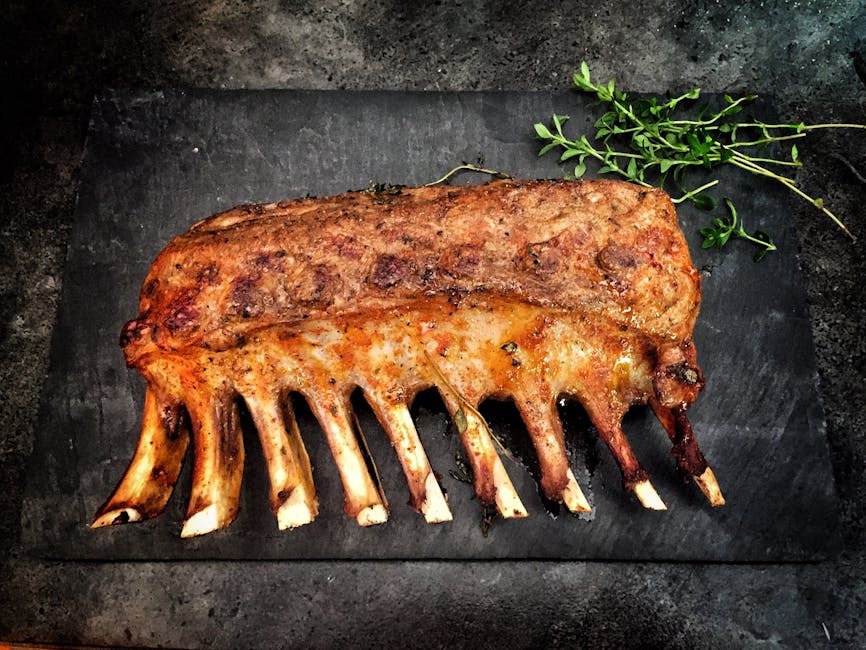
A rack of slow-roasted ribs on a slate board

How Catering Packages Are Usually Tiered

Caterers often sell three levels of service. The names vary, but the tiers usually look like this. Whatever the tier, New Hampshire adds its 8.5% meals and rentals tax to catered food, so ask whether a quote includes it.

Essential

Drop-off or pickup for smaller gatherings

  • Food in trays, ready to serve
  • Plates and utensils on request
  • Host handles setup and cleanup
Ask a Question

Signature

Full service for large or complex events

  • A custom menu
  • One event manager as your contact
  • A larger service team
  • Beverage service where the caterer is licensed for it
  • Coordination from setup to cleanup
Ask a Question

Planning a Catered Event?

We cover food and beverage businesses; we don't cater events ourselves. If you have a question about this guide, or know a caterer we should look at, write to us.

Write to Us